You and all your friends have gotten together to watch an NHL game at a friend’s place. None of you have a Sportsnet+ subscription, because its lowest monthly price is a bit too pricey at $34.99. The host has a cable package through Rogers and Xfinity — but wait — the cable’s sports subscription just includes Center Ice for hockey. That means you, an Alberta viewer, can’t view NHL home games in Edmonton or Calgary.
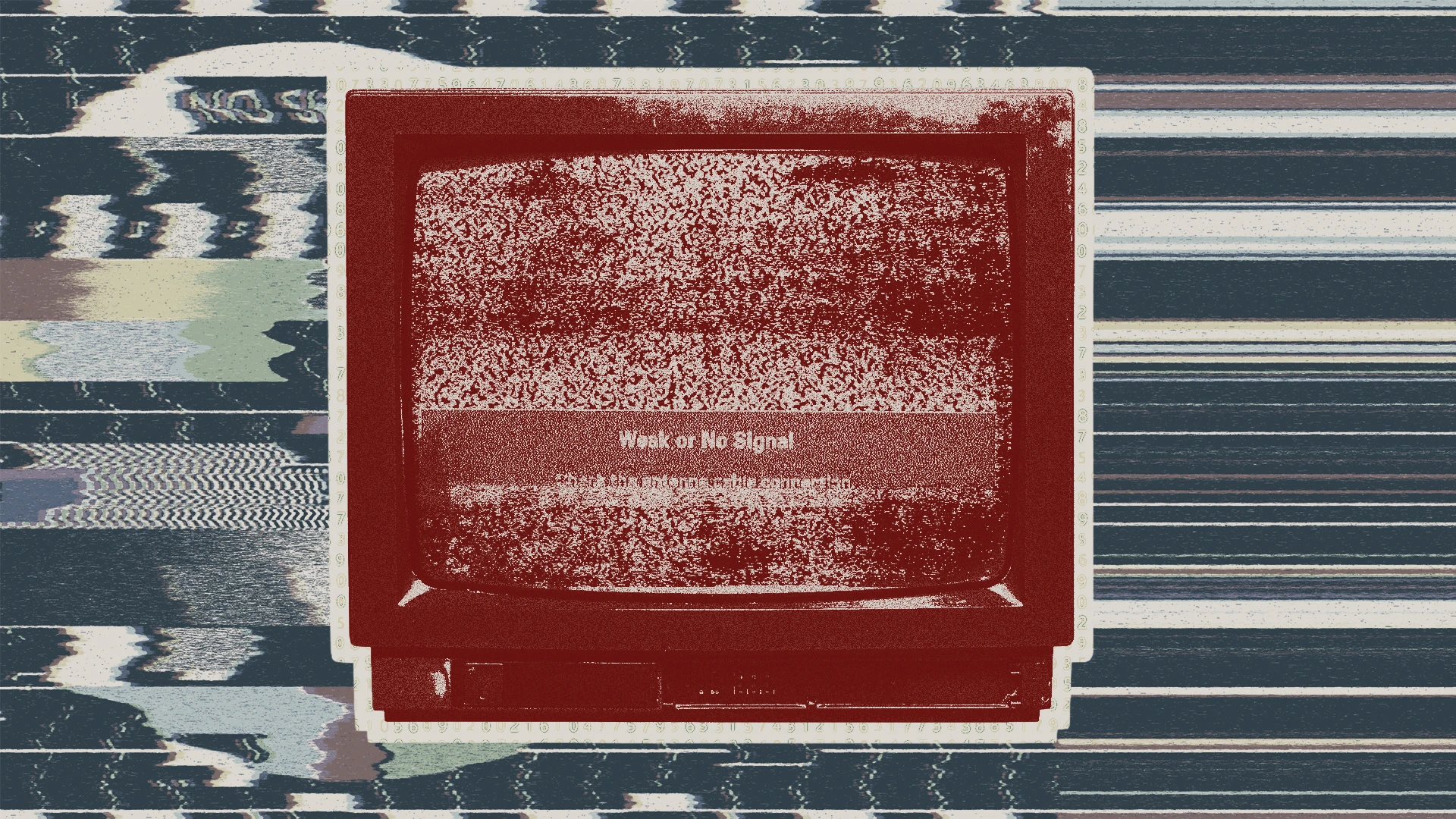
After going through frustrating sign-up pages, two-factor authentication, and pricing details, you’re now missing the first period. Despite all that, your party decides to use one of the many sports piracy sites listed on r/piracy.
This is the reality of sports broadcasts in 2026. With complicated contracts, location blackouts, and the high price tags, the past few years have normalized online piracy more than ever.
While I don’t condone piracy, especially in an era when human-made entertainment continues to be shelved or overlooked for not being profitable, I don’t blame anyone for pirating sports games, because the current broadcasts are so anti-consumer.
You may have seen the video of billionaire basketball superstar LeBron James in 2024 watching an NBA game on the now-defunct sports piracy site StreamEast. If someone like James is using piracy sites, it’s clear this is not solely a monetary issue.
Fans want to support their teams, but for a variety of reasons, can’t. So, they flock to piracy, and sports leagues are losing money as a result. A 2024 report by GlobalData Plc estimates the industry loses approximately $28 million annually to online sports piracy. However, the sports streaming issue isn’t limited to cost alone.
A location blackout is when a specific region is unable to view certain content. For the NHL in Canada, Bell states, “Certain NHL games are subject to broadcast blackouts that all TV providers are required to enforce. Blackouts are the result of restrictions imposed by the NHL on broadcasters and TV providers. Blackouts can be set for specific cities/communities, or for a defined region, which can include entire provinces or territories.”
Different services have different location blackouts. The Winnipeg Jets, on NHL Center Ice, are blacked out in Manitoba, Saskatchewan, the Northwest Territories, and Nunavut. TSN, however, has Jets games blacked out for people outside of Manitoba, Saskatchewan, and Northwest Ontario.
These blackouts are frustrating; fans must choose either to miss out on games or pay the price, that price being the cost of however many streaming services they would need to see all of their team’s games.
For Canadians, this problem is less prevalent than it is in the U.S., as media laws south of the 49th are less strict than in Canada. The CRTC claims that “It’s called a blackout, and it’s done for reasons the CRTC doesn’t control.” Clearly, something is different here than there.
In the U.S., sports streaming providers are typically included as an extension to other streaming platforms, such as Hulu + Live TV, Amazon Prime, YouTube TV, Peacock, and more. All of these options bring competition, and that makes these services battle for exclusive rights to different teams, events, and sometimes just days of the week.
The brawl for content has created a complicated and broken system, with consumers taking the brunt of the damage by having to pay exorbitant prices for content that should cost less than $30 a month.
While the problem isn’t as bad here in Canada, it is still a frustrating mess. This is all without mentioning the insane struggles for the Canadians who cheer for American teams, which frankly, I don’t have the understanding to explain.
These issues, and more, force hockey and sports fans to pirate content or spend a sizable chunk of their income to indulge in their hobby.
None of the major sports leagues have stepped in to support their fan base, so, for now, sports fans can all unite in knowing they might all pirate just a little bit.