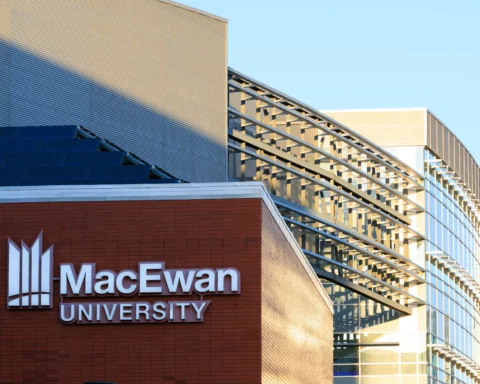
The John L. Haar Library welcomed a new digital photo exhibition, Ukraine Through Wartime, that opened Sept. 1 in dedication to the Ukraine Week initiative on campus.
Olga Ivashchenko, whose work shapes the photo exhibition, is a photojournalist and documentary photographer based in Kyiv, Ukraine, and has been documenting the Russian invasion since 2014 through her photos that depict everyday citizens in Kyiv amid the ongoing Russian invasion. Ivashchenko has had her work published in various national publications.
Ivashchenko’s documentary work attracted attention for its raw, unfiltered portrayal of the reality many Ukrainians face daily.
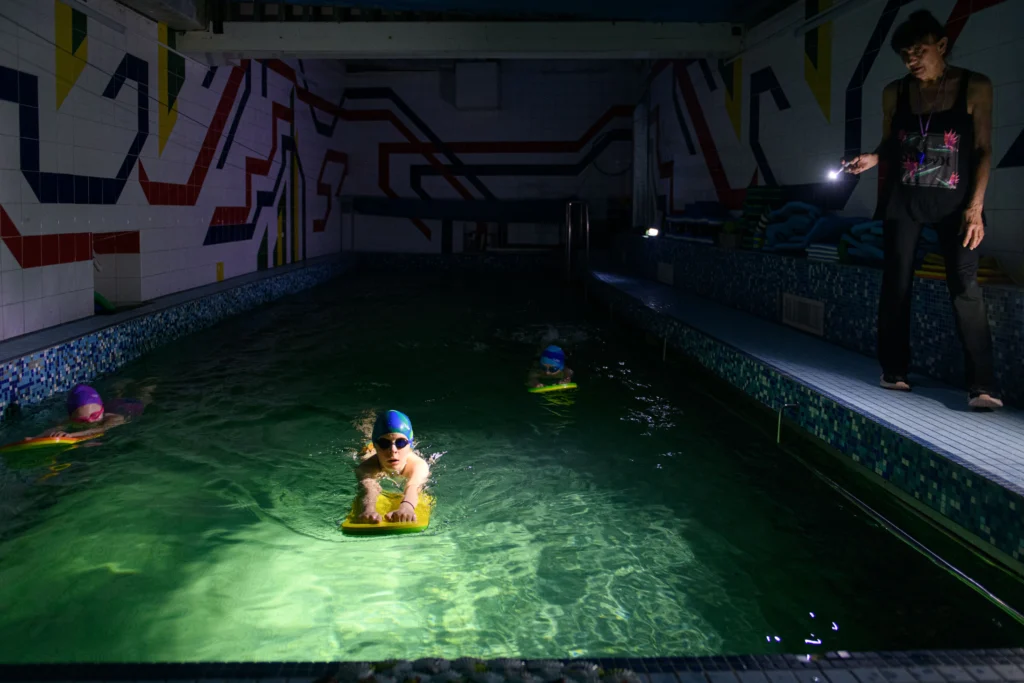
“It’s always history, so we’ve taken these for the future generations,” she says.
Ukraine Week on campus is a call to action that aims to raise awareness of Ukraine’s ongoing situation. Ivashchenko brings attention to the increased hostility “because it was the worst already 12 years ago, but it was in one part of Ukraine. Now it’s full scale, for a lot of regions.”
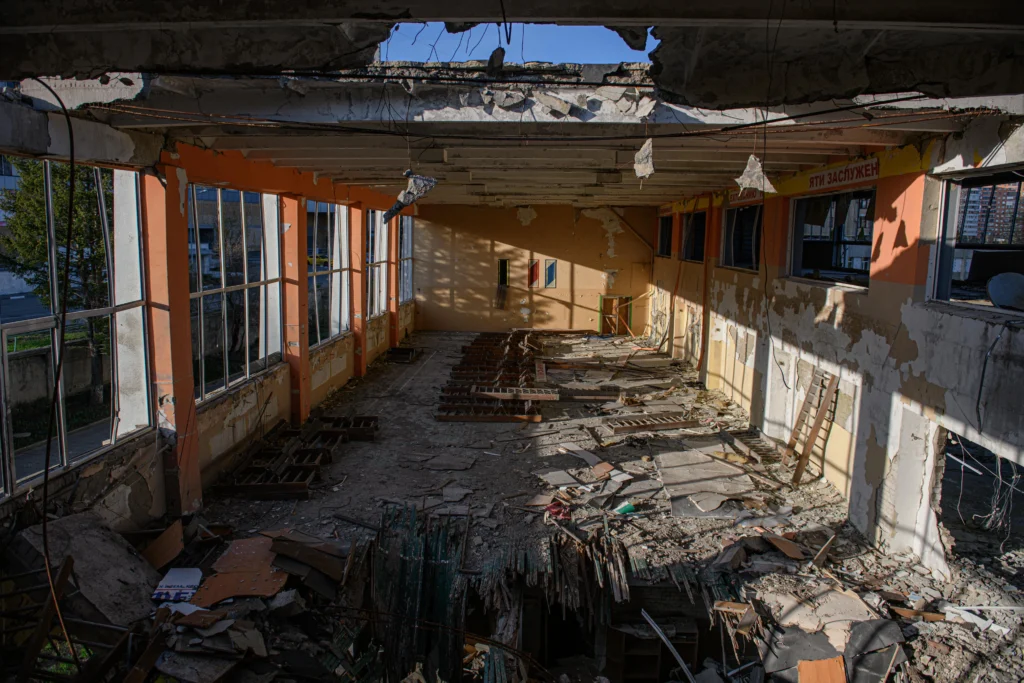
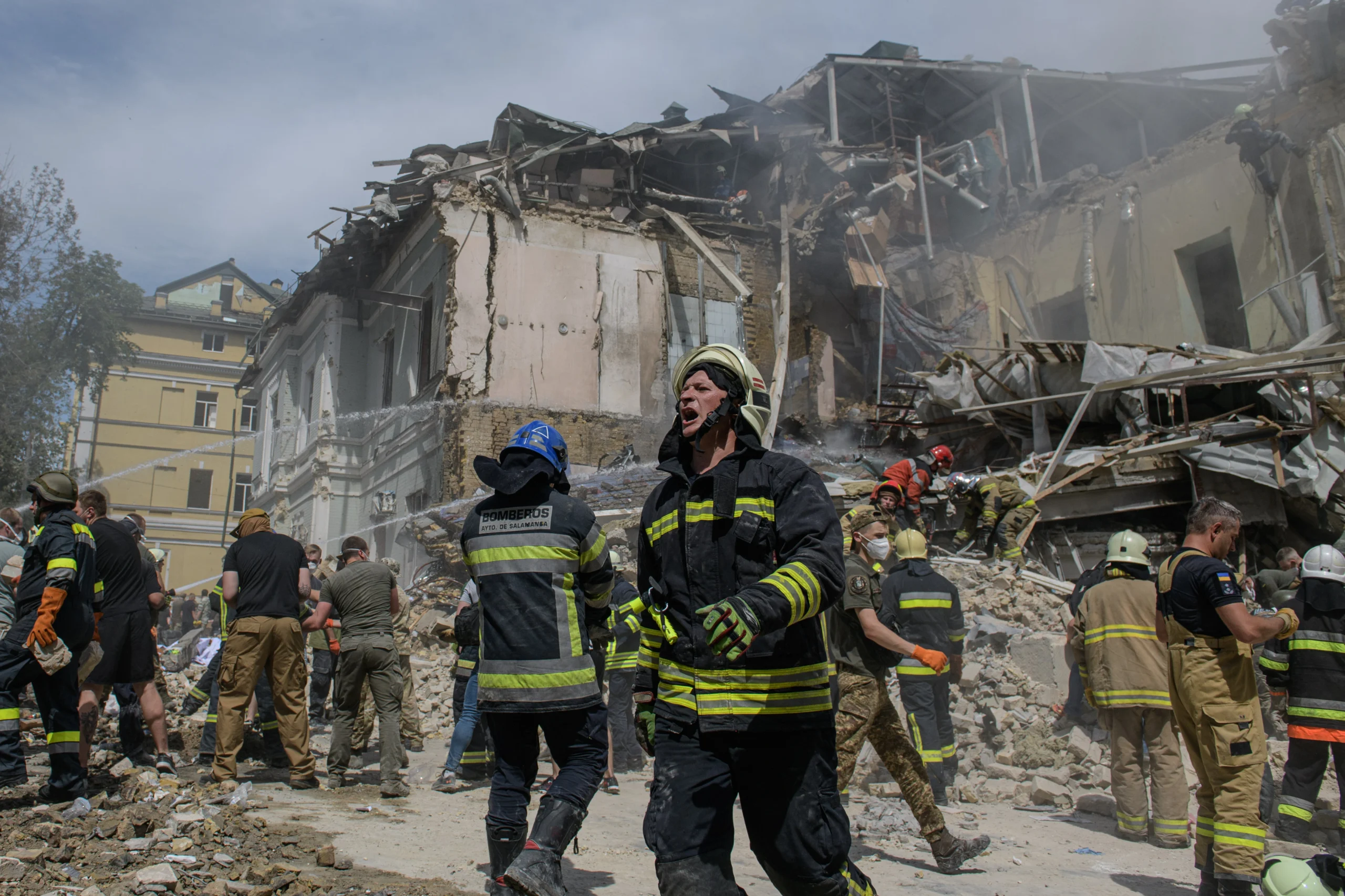
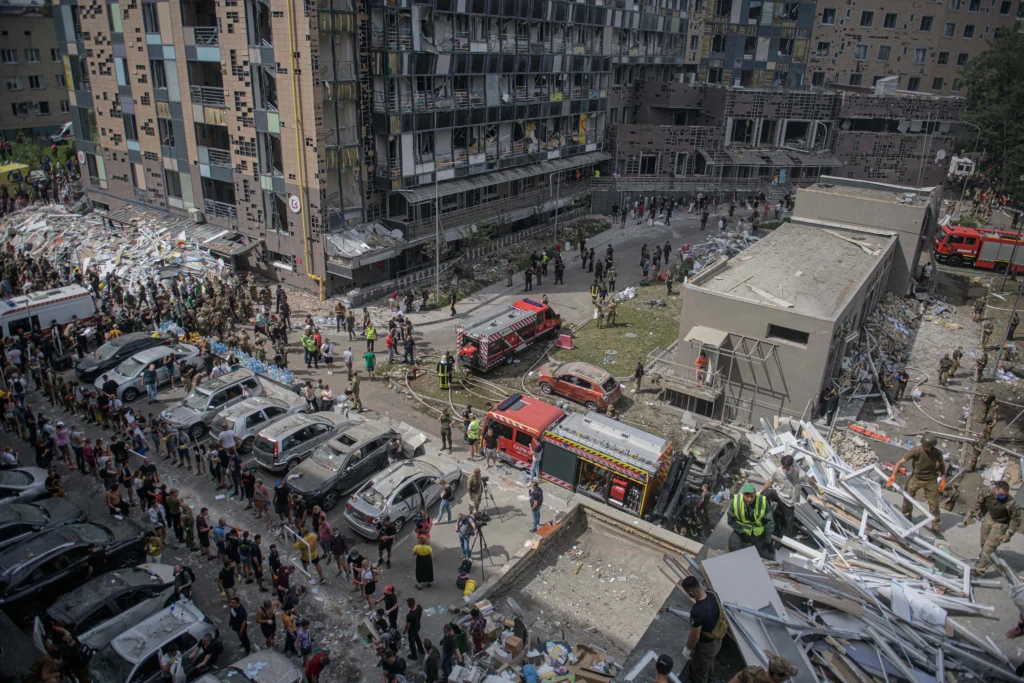
Ukraine Through Wartime displays a map of Ukraine with photos of attacks from Russia’s ongoing invasions taken at multiple locations. These photos span from 2014, the beginning of the attacks, to a decade later in 2024. Ivashchenko felt that the Russian attack on Ukraine’s largest children’s hospital in Ohmatdyt was particularly important to share in the exhibition. On July 8, 2024, a direct hit by a Russian missile damaged five hospitals, killing two people and injuring multiple children. “I was impressed by how ordinary residents came together to help clear the rubble at the hospital,” says Ivashchenko.
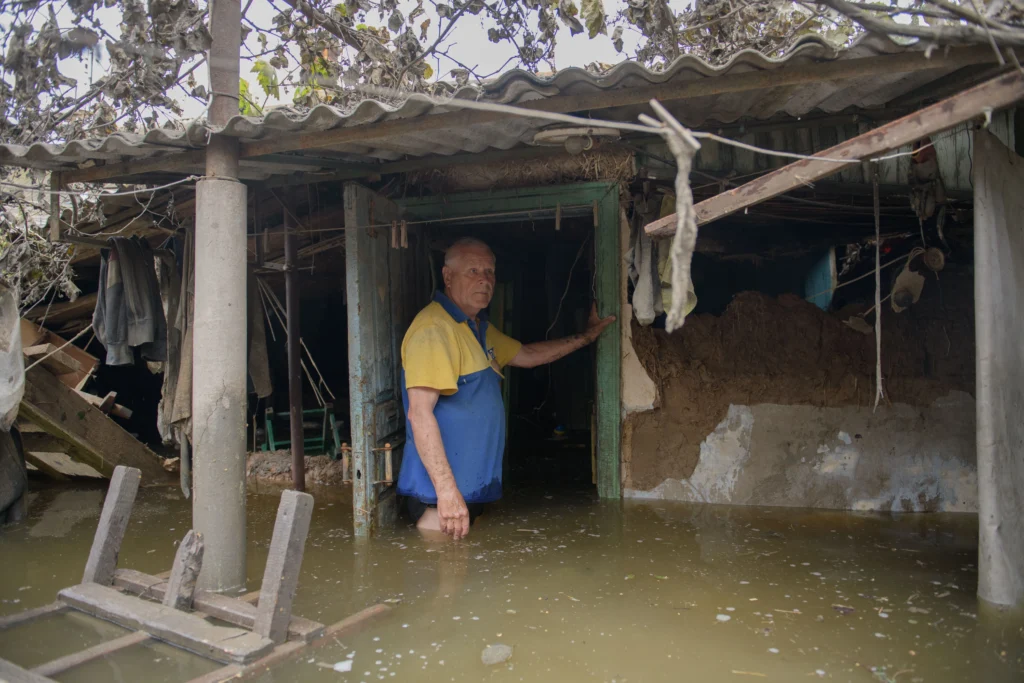
Another photo depicts Oleksandr Zhadan standing in a doorway of a flooded home for the first time since the destruction of a local dam by the missile attack on the Kakhovka hydroelectric power plant, which caused the Kakhovka reservoir, which had stretched approximately 230 kilometres, to flood. Around 80 settlements in the area were impacted. The flood spanned over 620 kilometres, prompting hundreds of people to evacuate their homes. Zhadan returned home to find nothing was left.
Ivaschenko states the importance of documenting this war is, “for people abroad and for the students at the university. I hope they can feel something through my pictures and through this exhibition.” She went on to say she hopes her added captions will make the photo exhibition more impactful.
“Live your life when you have this opportunity, because you don’t know what will be in a few moments,” says Ivashchenko.