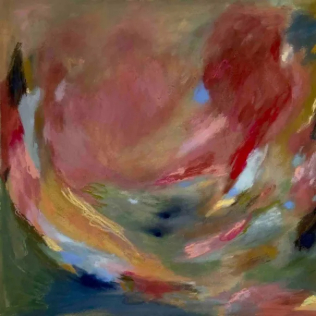
Lizzy McAlpine took two years off after Older (and Wiser), and came back almost happy.
The singer-songwriter’s highly anticipated album, Angel, released on Sept. 18, builds upon the mature songwriting present in her acclaimed songs, “Ceilings” and “Pushing It Down and Praying” — proving that all McAlpine needs is a piano and a guitar to bring listeners to tears.
McAlpine teased the album with three singles: “Over Country”, “The Light in the painting” and “Ugly things”. The latter encapsulates the emotionally complex lyrics that McAlpine is applauded for. The former showed fans a new side of the singer, in which she’s not tortured or mourning, but warmly welcoming love into her life.
Fans wondered if heartbreak was over for McAlpine; if they lost their sad girl to love. But not to worry, while the album is filled with tender love songs, the songwriters’ familiar melancholy hangs in the air.
Over the course of 14 tracks, McAlpine builds an interwoven narrative, exploring romantic and platonic breakups, leaving home, the loss of a parent, her struggle with change, and, of course, love.
An album about love is not a concept that reinvents the wheel, but Angel succeeds anyway.
The album could have come across as vapid or corny, but McAlpine is so honest, almost to the point of confession. Despite this, she never crosses the line into spelling out her emotions for you.
McAlpine bares her soul the most in track 13: “The crowd” is a devastating ballad in which she speaks directly to her late father. It’s a standout moment in which McAlpine sheds the layered production of the previous songs, leaving her alone with her piano and her father.
“Everything I do / I do so I can make you proud.”
McAlpine continues to solidify her place among the great singer-songwriters of her generation. Moving through her 20s, her lyricism has become honest, devastating, and complex, balancing her sorrow and growth so beautifully.
Angel is deeply personal to McAlpine, yet so easy to resonate with. It’s a genuine reflection of how love transforms through experiences of growing up, grief, trauma, infatuation, resentment, and change. The album reinforces the idea that it may be better to love and lose than never to love at all.
“There was love once/there was fire/we had something/that’s all that matters.”
Sad-girl autumn is here to stay.