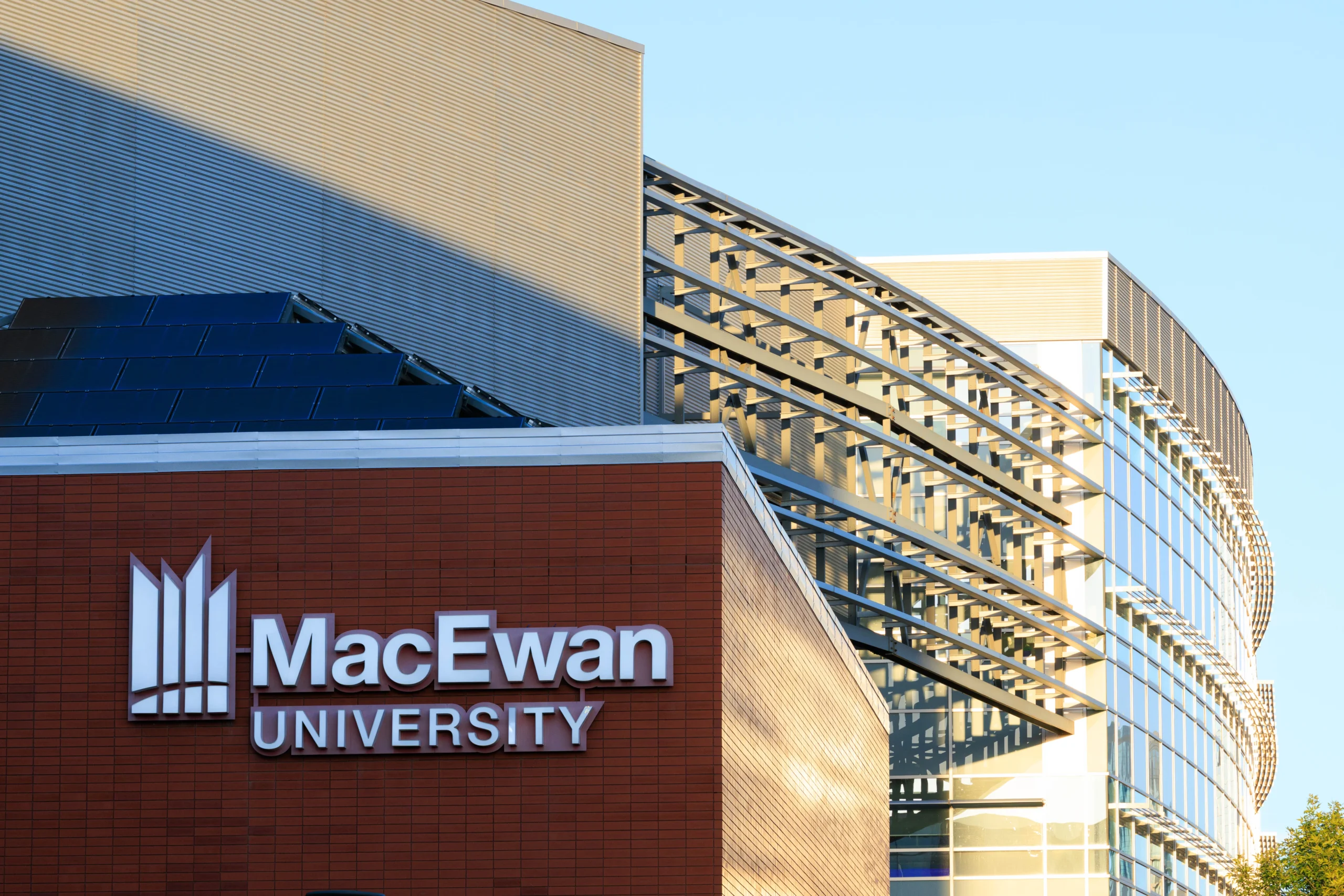
On October 14th, MacEwan University announced a new partnership between Wellness and Psychological Services (WPS) and Recovery Alberta, an organization focused on accessible mental health and addiction services.
The new partnership is being led on campus by occupational therapist and longtime employee of Recovery Alberta, Fiona Cameron, and is ultimately meant to support students and families and connect them to resources within the wider health care system. The program is also meant to follow students and families for up to a year after graduation to provide continued support.
Still, despite details of this plan being shared, no timeline or plan has been given for how these new services will be rolled out on campus.
This ambiguity in the situation calls back to MacEwan’s treatment of Uwill earlier this year, a private online counselling system for students that MacEwan announced it was signing with in November.
The program was launched at the General Faculties Council meeting on Dec. 1, 2025, though the university has not publicly announced a timeline for its availability to students.
Additionally, no information has been publicly provided on whether Uwill has been effective for students, with September’s students’ council meeting being one of the last times it was brought up publicly by anyone related to the school, namely vice-president (student life) Elizabeth Russell.
According to Russell, conversations were underway between her and Allison Drew-Hassling, MacEwan’s associate vice-president (student support and accountability). Russell says these conversations were relatively new, and some details were still unavailable.
Still, it’s important to note that students evidently need these services to be available. This past year, there was a strong increase in students’ use of mental health services, and new partnerships like the one with Recovery Alberta seem to especially serve students as they graduate from university and help them connect to their next steps.
However, while these programs and the introduction of new ones seem to meet that demand, there’s nothing to say it’s working, and the school is seemingly spending a sizable amount of money on it.
According to the minutes of a meeting with the General Faculties Council at MacEwan, students are being asked to pay more to support the Uwill program, through an increase to the Student Mental Health Fee from $7 to $15, despite the lack of information available to students.
Moreover, Provost Craig Monk noted that MacEwan has a commitment to the program for two years and acknowledged the need to assess its efficacy. Yet, almost a year after its announcement, the school has not provided an update on this sentiment.
When asked for comment about Uwill or the new partnership with Recovery Alberta, Russell could not share much. According to Russell, there aren’t many public details about the partnership, and she cannot comment on the exact plans for the new partnership, how effective Uwill has been, or the school’s plans regarding mental health services. Still, SAMU appears to be keeping an eye on the situation and seeing how both initiatives develop.
“We’re always keen on advocating for in-person and on-campus mental health supports for students with a special focus on increasing the number of counsellors employed by WPS,” says Russell.
Drew-Hassling was also asked for comment but did not reply in time for publication, leaving no solid answer regarding the efficacy of mental health services, new and old, available at MacEwan.