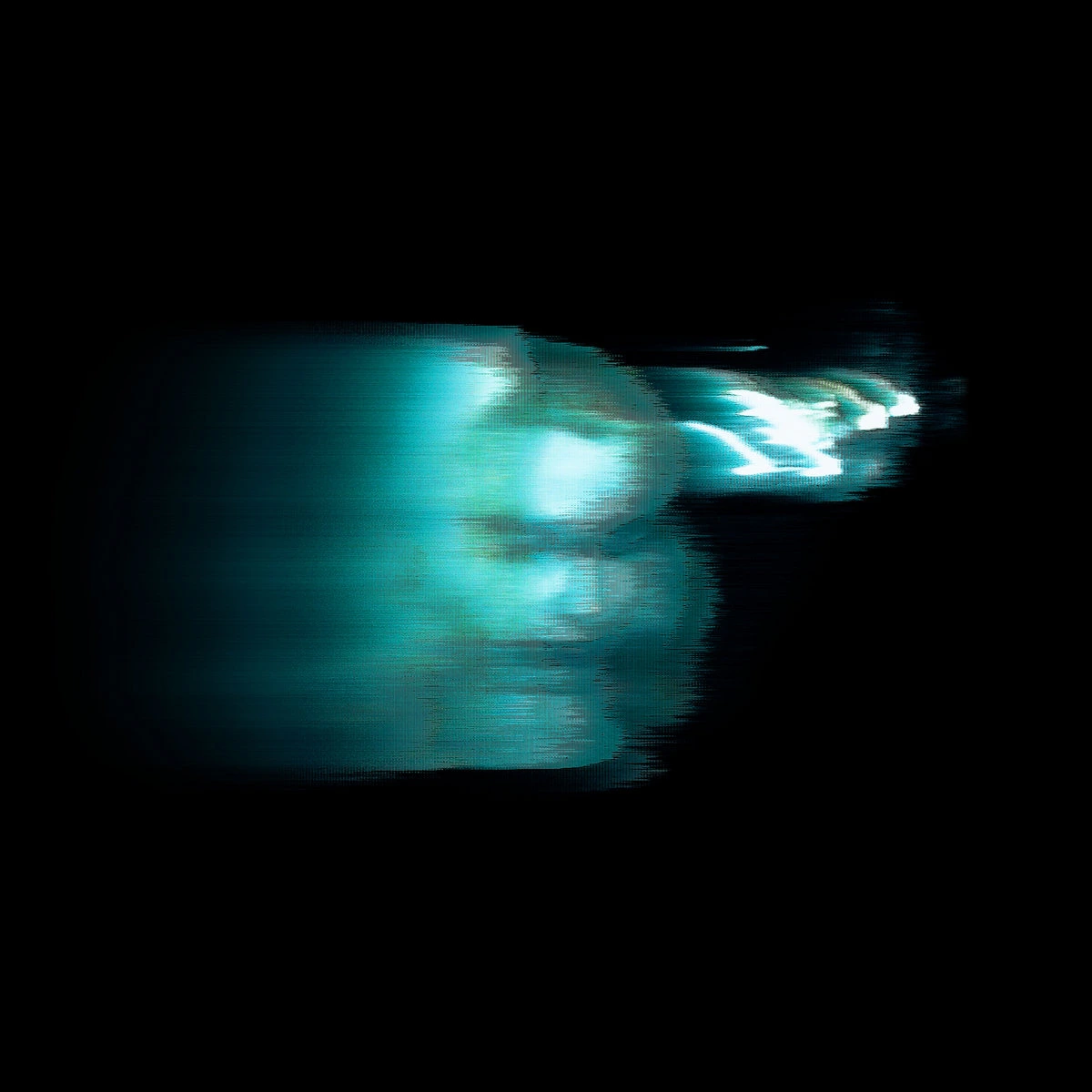
Phoebe Bridgers’ first solo album in six years was released on Friday, and it’s everything we wished for.
Bridgers is no stranger to haunting ballads and devastating lyrics; however, the trajectory of her career seemed unknown after her hiatus following the March 2023 release of Boygenius’ The Record — a collaboration with fellow musicians Lucy Dacus and Julien Baker.
In May 2026, ominous posters advertising a show in Roswell, N.M., started popping up all over the city: a phone-free, $50 ticket, intimate-venue performance by Bridgers. Slowly, more flyers began popping up around small cities and towns in America, all of which had historical ties to extraterrestrial activity. Unfortunately, the alien landing pad in St. Paul, Alta., wasn’t on the list.
Shortly after the pop-up show run, an announcement followed — Lost Weekend, out Aug. 14.
Lost Weekend’s first single, Lost Boys, sounds like an edgy and more fantastical equal to her 2020 release, Kyoto. Lost Boys carries lyrics that double up their meanings, “lost boys, never grow up, never go home”, which is a reference to the lost boys from Peter Pan.
Bridgers is a moody lyricist, and her second studio album Punisher earned her a reputation as one of the most depressing songwriters of our generation — and four Grammy nominations. But Lost Weekend is undoubtedly her most transparent and confessional album yet.
It’s a clarification of herself and the suffering she’s been subjected to for being alive.
Throughout the album, Bridgers references her called-off engagement to Irish actor Paul Mescal and his current relationship with Gracie Abrams. She also discusses her current relationship with comedian and musician Bo Burnham, but most importantly, the death of her father in 2023.
Track 11, Never going back again! Is a repetition of an affirmation — “Never going back again, the way it used to be is not the way it is.” Starting with Bridger’s standalone, layered vocals that echo the lines, then abruptly into a mix of banjo, acoustic guitar, and drums. Once the lyrics fade out, so do the instrumentals. A voicemail from her late father begins to play.
The under-two-minute track is one of the most relatable songs on the album. It feels like a begrudging anthem to letting things go — an affirmation you tell yourself every morning to keep yourself sane. Always getting caught up in wanting things to go back to what they were, but having to convince yourself that it’s over.
Track 3, Kill me, signals a recurring theme of death and loss throughout the album. It’s rumoured to feature backing vocals from Geese’s frontman, Cameron Winter. It starts off as a quiet, isolated ballad and progresses into a rough, angry use of her layered vocals and acoustic to electric instrumentation — similar to her well-known musical inspiration, Elliott Smith.
Track 4, The Governor’s Waltz, begins with a spooky organ progression, then quickly transitions into acoustic fingerpicking. It’s sarcastically upsetting, and feels like a bitter breakup. A stone of sarcasm sits in Bridgers’ voice throughout the song, with ominous changes in key.
Bridgers crafted Lost Weekend with herself in mind, rather than her audience and the charts. It’s a confessional record, reflecting her hardships as she moved into her 30s. Bridgers is undoubtedly a talented musician. Who else could throw a banjo into dizzying, layered vocals and still make it sound beautiful? There’s no debate that the record will be remembered as one of the best indie-rock albums of the decade. It’s timeless, heartwrenching, and unearthly – exactly what I expected out of the six-year wait.