

Photos by Amanda Erickson/The Griff
A look inside Edmonton’s efforts to revitalize one of its oldest neighbourhoods
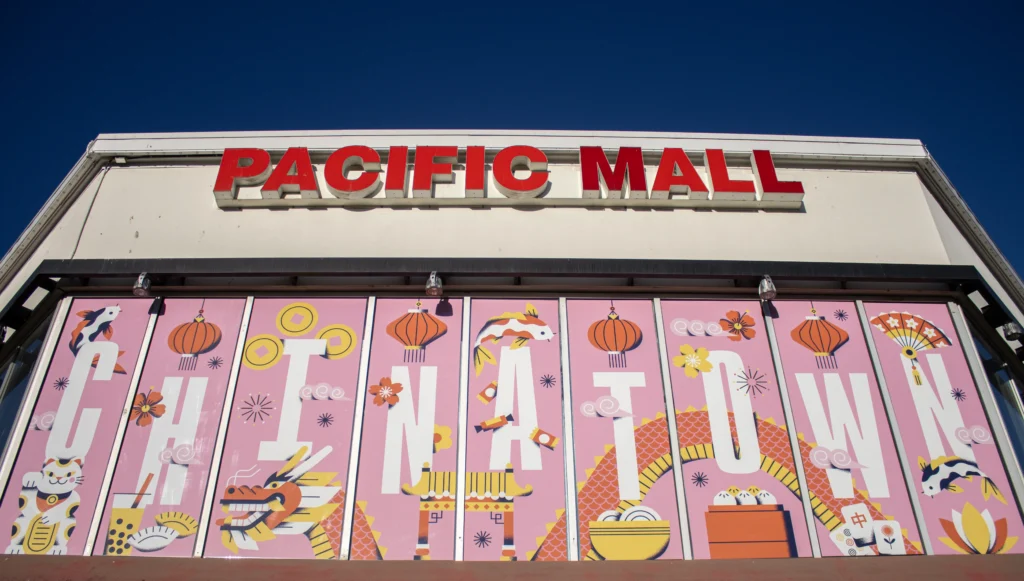
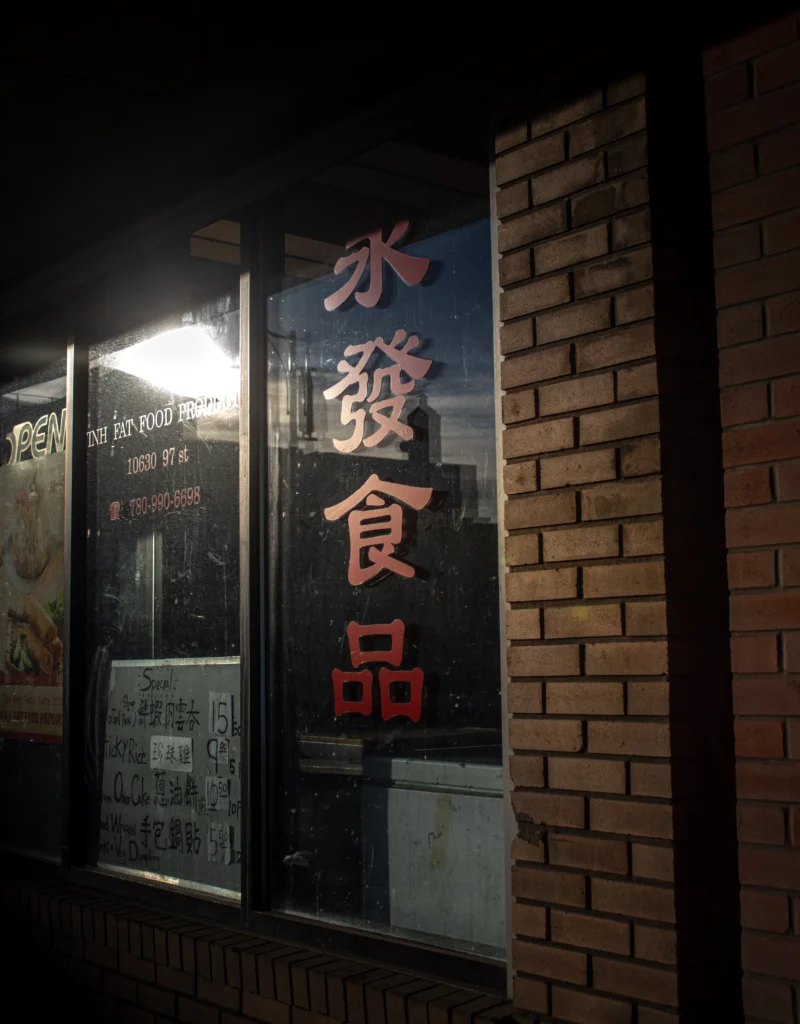
When Chinatown could first be described as a distinct district, it consisted of 13 Chinese men. Between them, they ran a single Chinese restaurant and two Chinese laundromats. The community grew throughout the early 21st century, survived a move when their locale was disrupted for the construction of Canada Place, and now exists as its own district centered around 97 Street in downtown Edmonton.
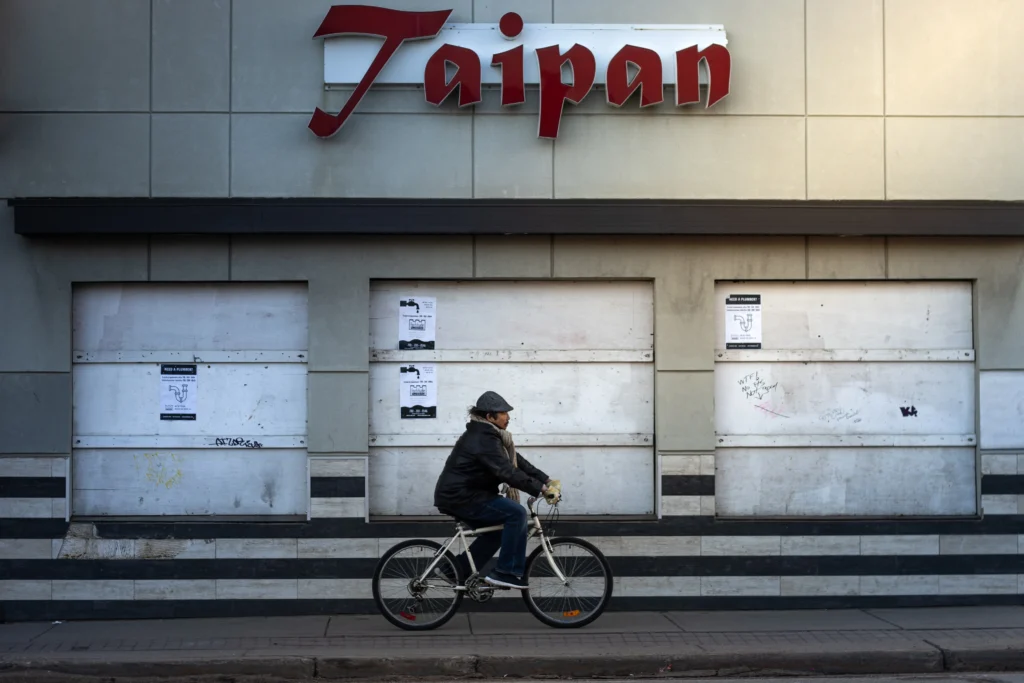
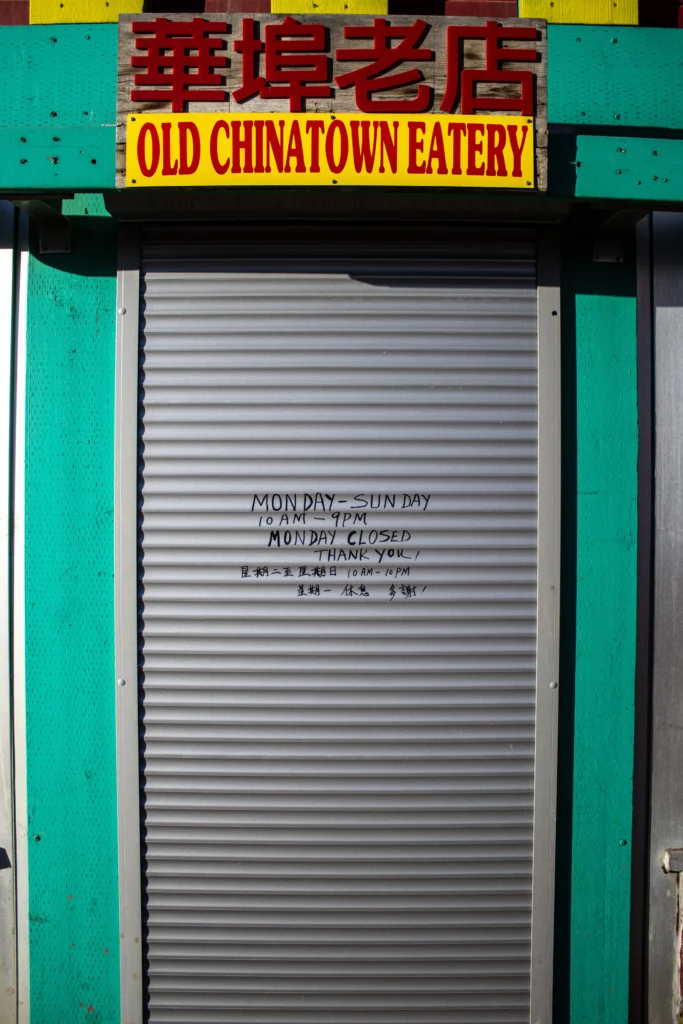
Chinatown then faced many of the same problems it faces now. The population was aging. Businesses were shuttering, and people felt unsafe. That didn’t change with the move. Over the years, Chinatown has changed from a vibrant hub of culture to a quiet neighbourhood where businesses continue to shutter and the “sketchy” label has all but halted pedestrian traffic. The tiny district, to the outside eye, is all but withering. Many around Edmonton might be ready to pull the plug, if not for one of their favourite restaurants still operating there. But Chinatown is still home to hundreds of people who have been calling it dead for decades, and they’re not giving up yet.
Revitalization. Improvement. Transformation. Those are the words that the city is using to describe what it’s doing and what needs to be done to the neighbourhood of Chinatown. This is the language being used in what the city is calling “The Chinatown Strategy.” This is a strategy conceived by the City of Edmonton and local Chinese cultural and business organizations, with the goal of returning to a safe, vibrant, bustling Chinatown.
“[In the] last 23 years, we didn’t have such big help, support…but we survived.”
– Wen Wang, Director of Chinatown and Area Business Improvement Association
PILLAR A
The Chinatown Strategy is supported by four pillars of development. Those pillars are an improved sense of safety and security (Pillar A), business diversification (Pillar B), celebrating Chinatown as a cultural destination (Pillar C), and enhancing existing form and landmarks (Pillar D).
For Wen Wang, the executive director of the Chinatown and Area Business Improvement Association, the first of those pillars is significantly more important than the rest. Wang points out that of the 13 designated Business Improvement Areas within the city, Chinatown has the largest concentration of people who are homeless. Some of them, Wang says, are “purely homeless.” Those people are looking for shelter, food, and comfort. Others, he says, are addicts. Many are experiencing mental health crises. Some are criminals.
Wang says that the city did not listen to the years of pleas for help from Chinatown residents until 2020, when two individuals were murdered in the streets of Chinatown, and residents flooded the Legislature grounds demanding change and aid. Now the money is coming in, but it’s not enough. Wang points to similar neighbourhoods in other cities around the world and how they rely on city-provided services such as needle pickup and street cleaning to keep the neighbourhood safe. Those are services that the City of Edmonton does not provide unless a call is made to 311.
The safety concerns in Chinatown, like widespread street drug use, cannot be normalized, says Sandy Pon, co-founder of the Chinatown Transformation Collaborative (CTC). It is not normal, adds Joanna Wong, a member of the CTC board. People need help, but you cannot help them on the streets. They will die.
Wang acknowledges that Chinatown has a better relationship with the city now than they’ve had in previous years. It could have been faster, he says, but the community understands that the City is taking a systematic approach, and that one individual or one sweeping change won’t be the catalyst. And the community itself is and always has been resilient, he says. The almost half a million dollars received from the Chinatown Vibrancy Grant helps, for sure, but the continued tenacity of the people within the community are what gives Chinatown hope.
“[In the] last 23 years, we didn’t have such big help, financial support…but we survived.”
The safety issue in Chinatown is a prominent one. It’s the first pillar of the Chinatown Strategy for a reason. Some business owners in Chinatown have implied that it’s an overblown stigma, but some community leaders disagree.
“Vibrancy is people.”
– Sandy Pon, co-founder of the Chinatown Transformation Collaborative
PILLAR B
The second pillar of the strategy is the diversification of businesses. Wang explains that right now, businesses in Chinatown can be divided into two categories: healthy and unhealthy. Healthy businesses are those that have been here for decades. The family-owned restaurants and shops that have been the core of Chinatown since there were only three businesses to speak of. Then there are the unhealthy businesses.
In the last few years, pharmacies and convenience stores have been popping up everywhere in Chinatown. Small storefronts, offering what could be defined as contraband.
“Some sell weapons,” says Wang. “Bear spray, brass knuckles, knife blades, anything.” Some are also selling illegal tobacco products. These are the “unhealthy” businesses that are threatening the health and prosperity of Chinatown right now.
The pharmacies are a conundrum. Both Wang and Wong pointed to the pharmacies as a major issue for the business health of Chinatown. Chinatown does not have its own Alberta Health Clinic, nor does it have a resident urgent care center, but it has pharmacies on seemingly every block, and people aren’t going in to buy Advil. Wong, who is a pharmacist herself, says that not only are these “pharmacies” not providing any care or health products to Chinatown residents, but they’re also giving the pharmacy industry a bad name. On the term “unhealthy businesses” suggested by Wang, Pon had a different descriptor: predatory.
“Let’s bring that word up, yeah, because it’s not normal to have two, three pharmacies on every block. People have to question that, and authorities that look after this type of industry need to examine what’s going on.”
PILLAR C
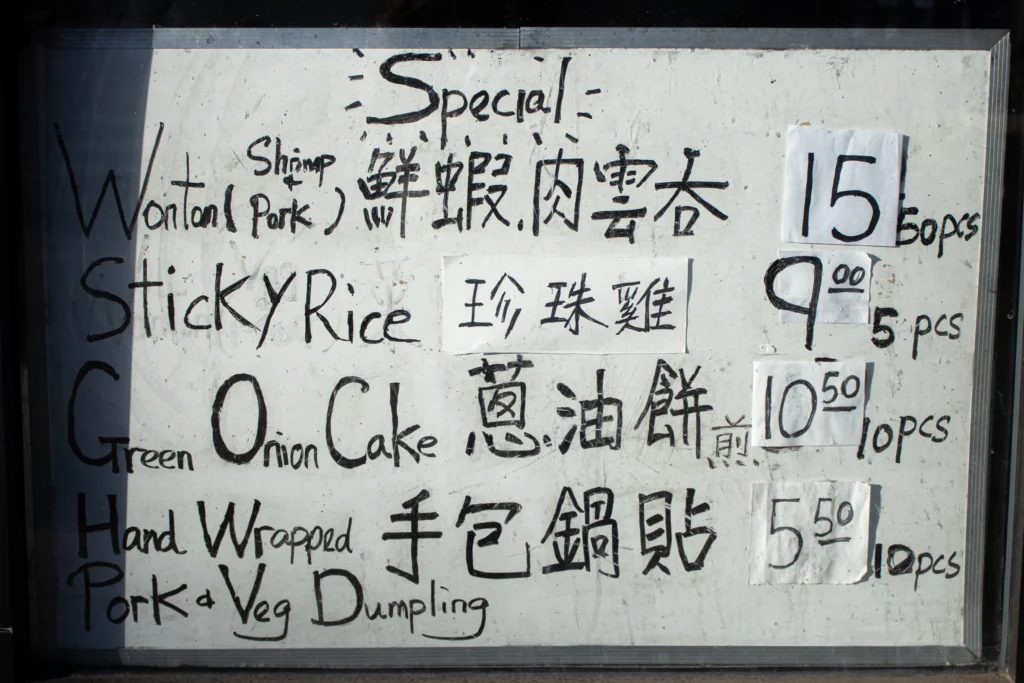
The third pillar of the Chinatown strategy focuses on making Chinatown a cultural destination in Edmonton. Wong and Pon fondly remember when Chinatown was a bustling cultural hub. Wong’s parents owned a grocery store. In the mornings, her parents would be outside with a cart of fruit, selling to passersby. The customers were their friends, their neighbours. People would shout hellos from across the street, and connect again at evening mahjong games. Everyone knew and trusted each other.
“The ideal thing is that someone can actually spend a whole day in Chinatown, walking to places, shop, eat, and enjoy entertainment, a whole day,” says Pon. The CTC wants people from out of town to visit Edmonton and say, “Hey, you know where we need to visit? Chinatown.” Bringing the stores and the vibrancy back outside is what the CTC envisions for the neighbourhood. The community has already succeeded in bringing people to the neighbourhood — the streets flood with people for events like Chinatown Dining Week and summer festivals.
“Our events are packed every time we do it,” says Wong. “But it’s getting them coming down regularly that we’re working on.”
Getting people to stick in the community goes back to business diversification. Chinatown needs doctors, dentists, and dry cleaners, says the CTC. Everyday things that make the community livable. To be vibrant, Chinatown needs to be a place where people want to be.
“Vibrancy,” says Wong, “is people.”

PILLAR D
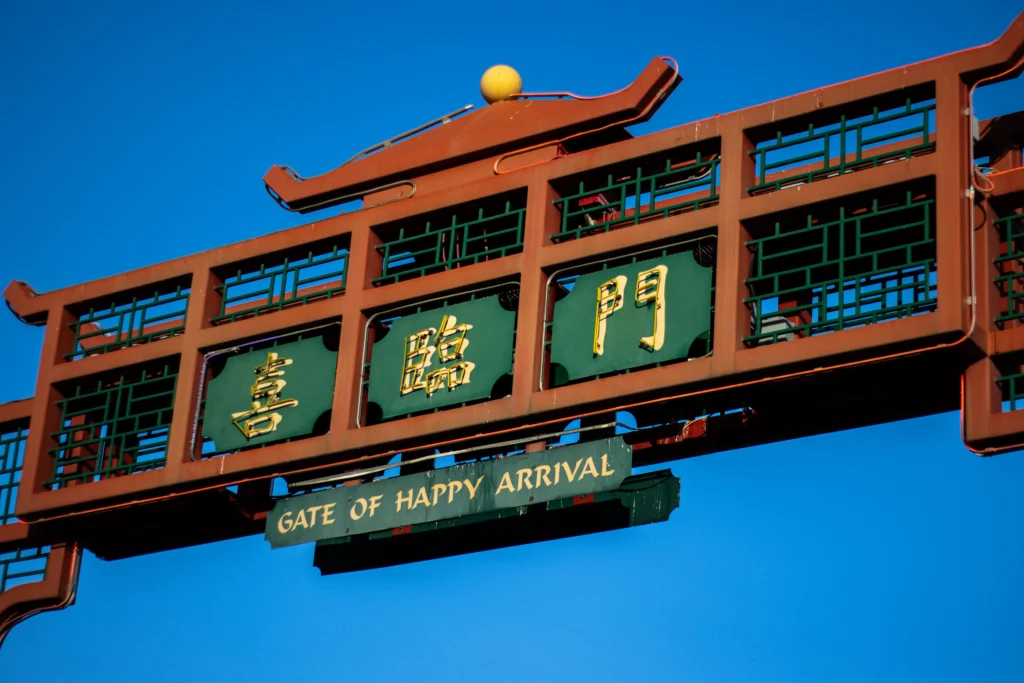
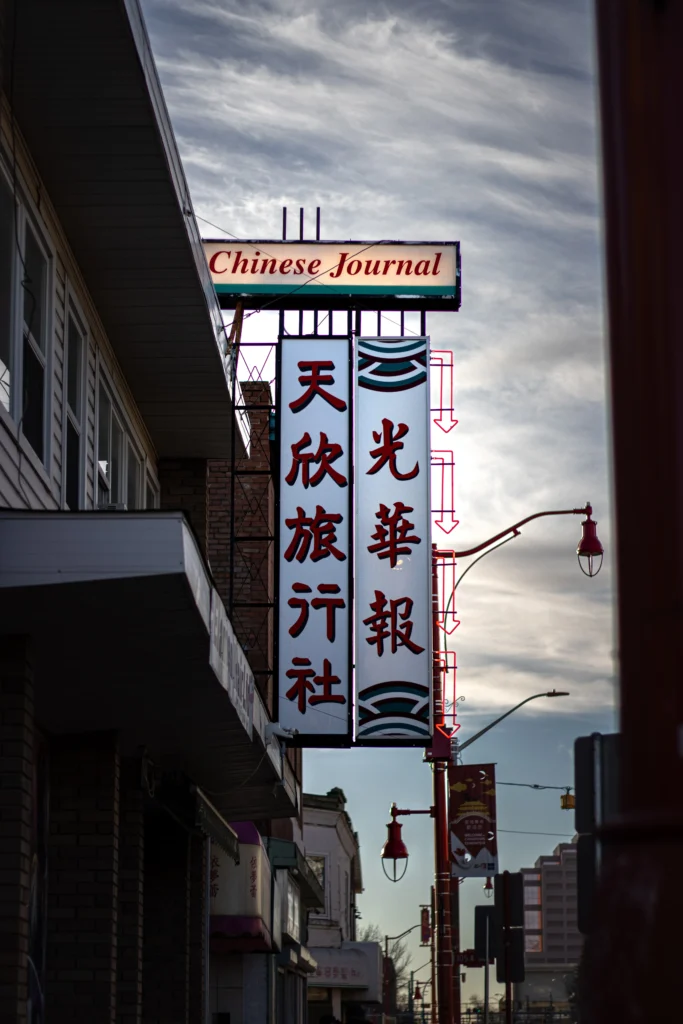
Enhancing the existing form and landmarks of Chinatown is the fourth and final pillar. The strategy outlines their work on redeveloping the Harbin Gate and other streetscape improvements as the catalyst for this. For the CTC, this part of the strategy is about more than just landmarks. It’s about the buildings that have been there for years.
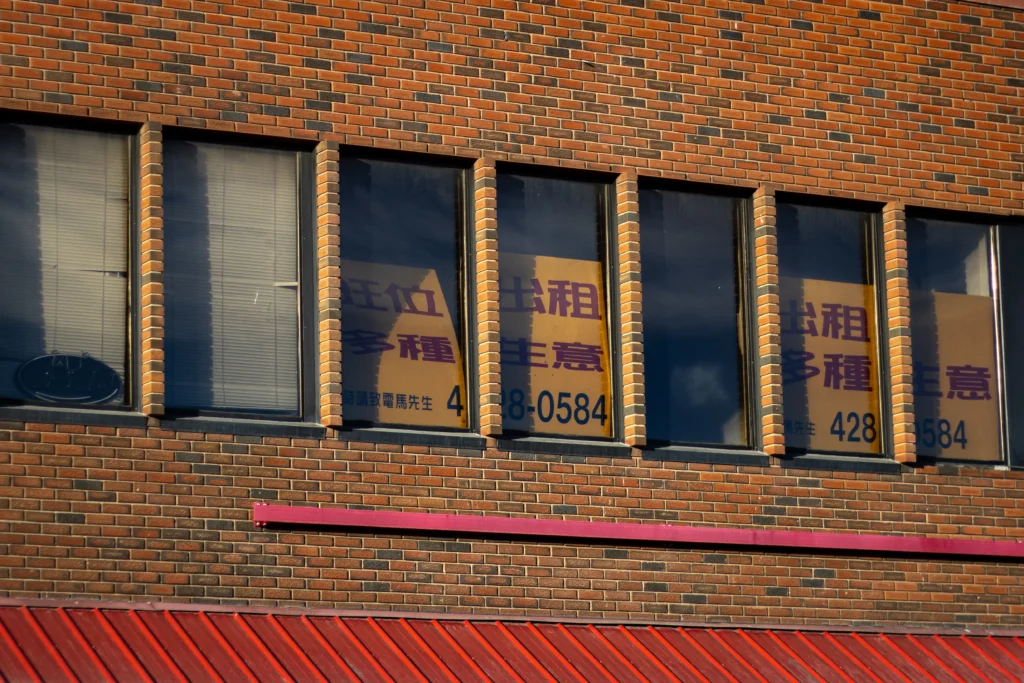
Chinatown, says Pon, needs more housing. Mixed-income housing, student housing, opportunities to live well for all members of the community. Enhancing the existing form of the area means enhancing the long-term stability of the community. It also means filling vacant lots and empty storefronts that need love.
“If you build it, they’ll come,” says Wong.
“But,” adds Pon, “you need to build the right stuff.”
Both the CTC and the Chinatown and Area Business Improvement Association acknowledge the city’s efforts to reinvigorate the community. It’s not an overnight strategy, but it’s ongoing, and progress is being made incrementally. Safety, housing, and business investment and diversification remain major challenges. The biggest challenge lies in creating a space that is livable and sustainable for those who inhabit it, as well as a place where people living elsewhere want to visit.
“Chinatown is for everybody,” says Pon. “Not just for us, not just for Chinese, because it’s so mosaic.”

0 Comments